


How do you define a לב שבור, a broken heart? I don't know about you, but when I hear the term "broken heart" my brain usually just conjures up a depiction of the classic red heart shape (which btw, does actually not look like a real human heart!) with a jagged line running down its center. Something tells me, though, that there is more to a "broken heart" than this oversimplified symbol.
As I sat down to write, I knew I wanted to discuss this topic of brokenheartedness, and so I began with what I thought was the perfect title: "Nothing as Whole as a Broken Heart." The truth is, I don't always begin my writing process with the title; often it comes at the end. Be it as it may, I began this piece with the title: "Nothing as Whole as a Broken Heart." Of course, this is not my own quote, rather it's a beautiful quote famously attributed to the Rebbe of Kotzk: אין דבר שלם מלב שבור — there is nothing as whole/complete as a broken heart.
For several minutes, I just sat by my computer, staring at the document open on my screen. The page was blank, with the exception of the title and a little blinking vertical line (called a caret, the text cursor) beckoning me to start writing. But I had too many questions. What is brokenheartedness? How can I express this idea in a language that resonates? Is it good or bad to have a broken heart? Suddenly, my internet connection was lost, albeit for a few seconds. In that span of time, a small pop-up appeared literally right on top of the "Nothing as Whole as a Broken Heart" title. It read: "Trying to Reconnect." The pop-up message quickly left, but the underlining message stayed with me and resonated deeply.
Maybe this is precisely what it means to have a לב שבור. It means: "I am just trying to reconnect." Reconnect to my soul-purpose. Reconnect to my true calling. Reconnect to Hashem, My loving Father.
I quickly changed the title to what you see now. It's true, there is nothing as whole as a broken heart. But what is a broken heart? It's the vulnerable feeling inside of just trying to reconnect.
In Sichos HaRan (42), Rebbe Nachman explains the fundamental difference between the negative middah of עצבות (sadness/depression) and the positive middah of לב נשבר (brokenheartedness). Depression is in the realm of anger and rage, like a complaint against Hashem for not fulfilling one's wishes. A broken heart, however, is entirely different. Rebbe Nachman describes it as: כבן המתחטא לפני אביו, כתינוק שקובל ובוכה לפני אביו על שנתרחק ממנו — like a child pleading before his father; like a baby crying and distressed because his father is far away.
A Son Just Trying to Reconnect
A son just trying to reconnect. That is what it means to be brokenhearted.
Dovid HaMelech taught an amazing thing: קרוב ה' לנשברי לב — Hashem is close to the brokenhearted (Psalms 34:19).
Brokenheartedness is a feeling of distance, but that feeling is actually closeness. Like the good old saying goes, "Distance makes the heart grow fonder." When a person feels distant from his father, he cries out to him for help; he yearns for closeness and connection. As such, the distance one feels in Avodas Hashem is actually a tremendously positive component to achieving intimacy and closeness with the Divine. Rebbe Nachman (Likutei Moharan, Tinyana 48) says a powerful line: ובאמת כל ההתרחקות הוא רק כלו התקרבות — the truth is that rejection/distance is really closeness.
Dovid HaMelech taught further: זבחי אלקים רוח נשברה, לב נשבר ונדכה — true sacrifice to Hashem is brokenheartedness (Psalms 51:19). We can offer a lot of things to Hashem. Big animals, small animals. Expensive animals, inexpensive animals. We can learn a lot of Torah, do lots of Mitzvos, and pray all the tefilos. But it's still entirely possible that the most important element is still missing: You!
Hevel Brought Himself
In Parshas Bereishis, the Torah says that both Kayin and Hevel brought a Korban to Hashem. But Hashem only accepted Hevel's offering. Because it was bigger and nicer? That cannot be, since we know that the size/niceness of an offering is inconsequential compared to the dedication and intent within a person's heart (מלבד שיכון את לבו לשמים). If you look closely at the pesukim, the Torah adds two words by Hevel's offering: גם הוא, also him. Maybe, just maybe, the Torah is hinting at this point. Hashem turned to Hevel and accepted his offering, because Hevel didn't merely bring an animal offering; he brought גם הוא, himself! He was being real, authentic and vulnerable. He was brokenhearted, feeling distant from his father, and wanted so dearly to come closer.
When it came to Kayin, the Torah says ויבא קין, but by Hevel it says והבל הביא. Notice the placement of their names, one is before and one is after the word "bring/brought." It's true, Kayin brought a Korban, but he was an afterthought. He did what "needed" to get done. He dotted the i's and crossed the t's. But he wasn't very present. Hevel, on the other hand, brought so much more. He brought himself. And that, my friends, is the single greatest offering a person can bring to Hashem: oneself.
Broken Vessels Let the Light Through
Avodas Hashem is different than any other type of "work." Usually, work demands a person to fix problems and create solutions. Fix, fix, fix! Avodas Hashem requires a person to break. To have a broken heart. To be humble, real, and authentic. To live with less ego. And guess what? Something amazing happens. Through this imperative middah of לב שבור, that is how we actually achieve and come to the greatest tikkun (fixing) of ourselves.
The Midrash (Vayikra Rabbah 7) shares a dramatic teaching: אמר רבי אלכסנדרי: ההדיוט הזה, אם משמש הוא בכלים שבורים, גנאי הוא לו, אבל הקדוש ברוך הוא, כלי תשמישו שבורים — Rabbi Alexandri said: The layman, if he uses broken utensils, it is demeaning for him. But the vessels of the Holy One blessed be He are broken.
We are Hashem's vessels, broken vessels. Real, authentic, and humble vessels. Vessels with no cracks/holes, cannot shine forth light. Only vessels that have cracks and breaks can allow light to pass through. A stone hearted person is dwelling in the abyss of darkness. A brokenhearted person, though, basks in the light of the Divine and becomes a conduit for dispelling that light yet further into the world.
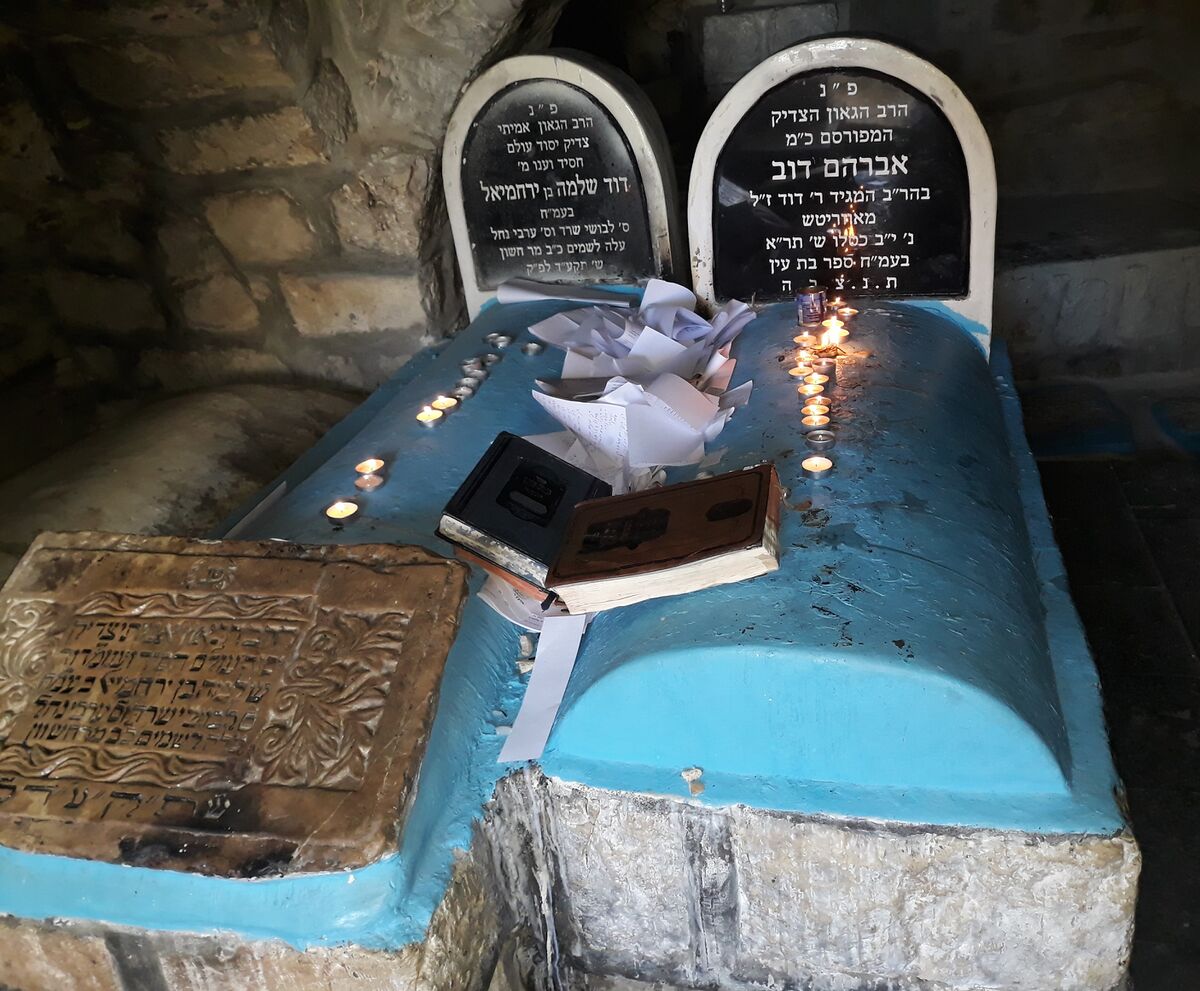
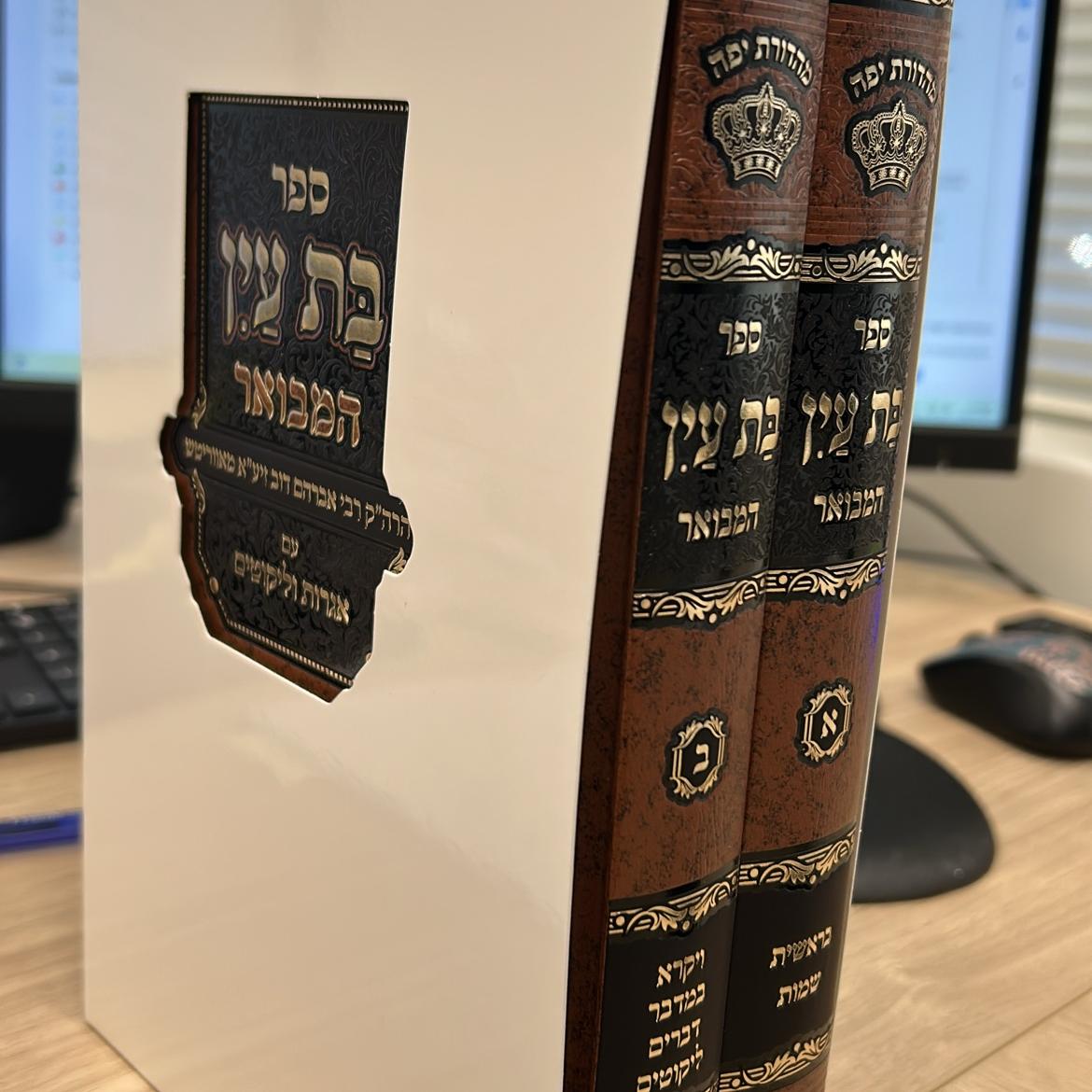
The Bas Ayin: Yasher Koach on a Broken Heart
The heiliga Bas Ayin (Bereishis 1) explains that people don't stay on a spiritual high their entire lives; it's just not possible. We all have ups and downs, times of drawbacks and distance. But what do we do then? What is our approach? When Moshe Rabbeinu broke the Luchos, it represented the breaking of one's heart. And what happens? Hashem says: Yasher Koach! We see the tremendous advantage of living with a לב שבור, a broken heart. It's a good thing…Yasher koach!
That feeling a person has of being distant from Hashem is represented by the shards, the Shivrei Luchos, and gets placed in the Aron Kodesh. Their value is retained. It is beloved by Hashem. The person with a broken heart experiences a light that would not have been otherwise attainable. The Bas Ayin says an incredible thing: ולבחינה זו היתה רצון הבורא ברוך הוא בבריאת העולם — It was for this attribute [of a broken heart] that Hashem desired to create the world. This is because a person living with the humble authenticity of brokenheartedness results in an even stronger connection to Hashem.
The Torah Itself Spells Lev — Heart
I mentioned earlier the amazing quote from the Rebbe of Kotsk: "There is nothing as whole as a broken heart."
This year, as I was thinking about the idea of a broken heart, I began to wonder if the structure of the Torah itself is an expression of this very idea.
It is known (based on Tikunei Zohar) that the end of the Torah is connected to the beginning of the Torah, as it spells לב (heart). The last word of the Torah is ישראל and the first word of the Torah is בראשית, hence: לב. There really is no greater broken heart than this. Why? Think about it. A sefer Torah consists of 304,805 letters (how this fits with the Zohar who states there are 600,000 letters is a valid question, there are answers), which means that the letters לב that are formed from the beginning and ending of the Torah are actually separated by 304,803 letters! It cannot get more broken than that!
But maybe that's actually the point. Hashem created the world with the desire for this attribute of a broken heart. The entirety of the Torah is filled with stories, messages, and commandments. There are ups and there are downs. Moments of connection and moments of disconnection. Moments of loss and moments of joy. Moments of closeness and moments of distance. But it's perfect. The Torah is whole and complete. It is real and authentic. It's the way it's meant to be.
Everything in the Torah is subsumed within the context of the broken לב, the beginning and ending of the Torah. The Torah is one big broken heart. Because at the end (and beginning) of the day, there is nothing as whole as a broken heart.
Wherever we are in life, even (especially) during moments of distance, let us strive to be as real and authentic as we possibly can, and tap into the space and framework of "I'm just trying to reconnect."
Have a heilige Shabbos!
Questions/comments/feedback – rabbistrumo@gmail.com